

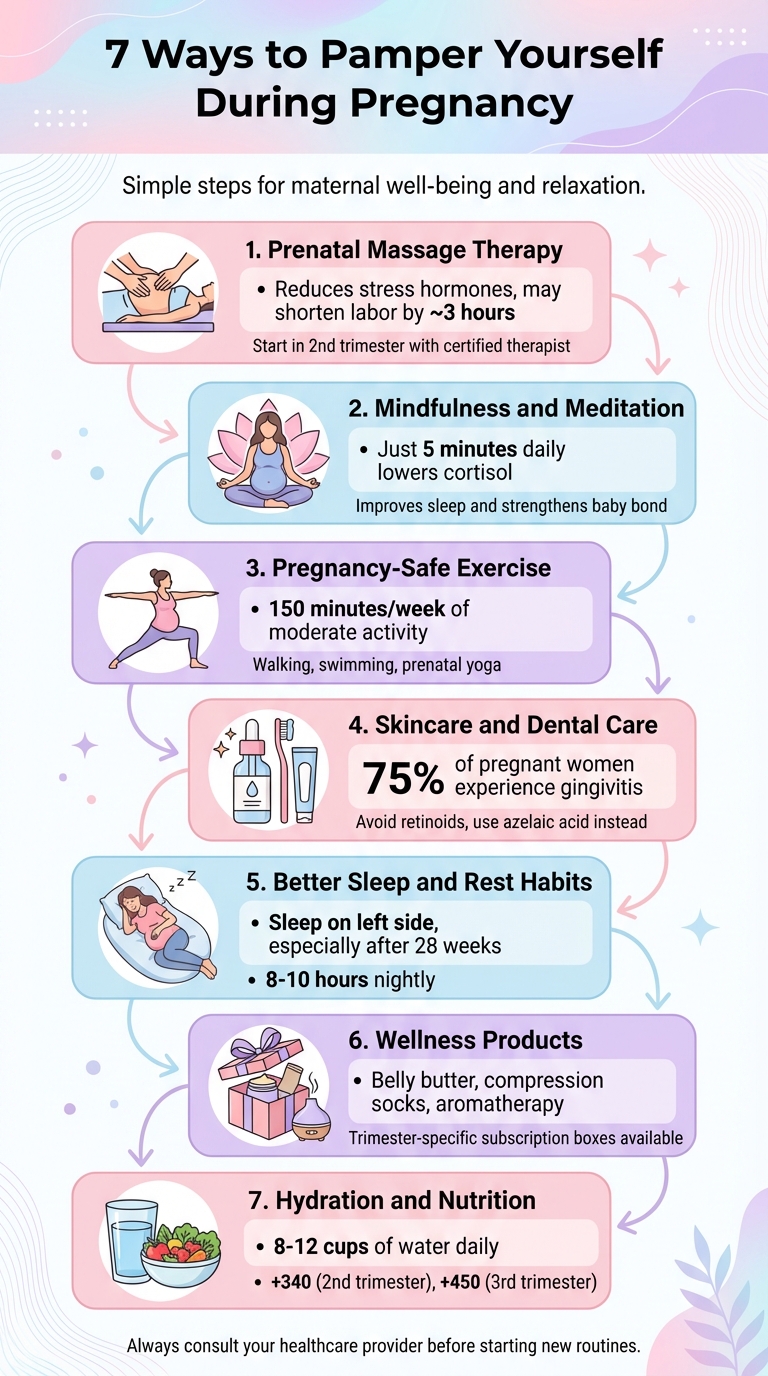
Pregnancy can be exhausting, both physically and emotionally. Taking care of yourself is crucial - not just for your well-being but for your baby’s health too. Here are seven ways to prioritize self-care during this transformative time:
-
Prenatal Massage Therapy: Relieve muscle tension, improve circulation, and reduce stress with gentle, safe massage techniques.
-
Mindfulness and Meditation: Lower stress, improve sleep, and connect with your baby through simple breathing exercises or guided meditation apps.
-
Pregnancy-Safe Exercise: Stay active with low-impact workouts like walking, swimming, or prenatal yoga to ease discomfort and prepare for labor.
-
Skincare and Dental Care: Adjust your skincare routine for hormonal changes and maintain oral health to avoid pregnancy-related issues.
-
Better Sleep and Rest Habits: Use side-sleeping positions with proper pillow support to improve comfort and reduce risks.
-
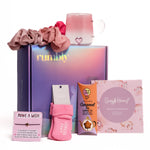
Wellness Products: Explore curated pregnancy subscription boxes with practical and relaxing items like belly butter, compression socks, and aromatherapy kits.
-
Hydration and Nutrition: Drink plenty of water and focus on nutrient-rich foods to support your energy and your baby’s growth.
These simple yet effective tips can help you feel more comfortable and supported throughout your pregnancy journey. For more ideas on how to treat yourself or what to ask for, check out this pregnancy gift guide.
7 Self-Care Tips for a Healthy Pregnancy
10 Healthy Pregnancy TIPS | Self-Care, Digestion, & Nutrition Habits
1. Prenatal Massage Therapy
Prenatal massage can ease the physical challenges of pregnancy. The Swedish massage technique is often recommended for its gentle approach, helping to relieve muscle tension, reduce swelling, and improve circulation. Better blood flow means more oxygen and nutrients for both you and your baby.
Research highlights some impressive benefits of prenatal massage. Bi-weekly sessions over five weeks have been shown to lower stress hormones like cortisol and norepinephrine while increasing feel-good chemicals like dopamine and serotoni. Additionally, studies suggest that prenatal massage may shorten labor by about three hours, lower the risk of preterm delivery, and even promote higher birth weights in newborns. These combined effects can make labor safer and more manageable.
"Prenatal massage is all about using very gentle massage techniques that are effective with pain relief and discomfort." - DeBorah Hill, RN, LMT, Cleveland Clinic
The emphasis is always on gentle, effective techniques that prioritize safety and comfort.
It's best to start prenatal massage in the second trimester and work with a certified therapist who knows how to avoid risky pressure points. Therapists typically position you on your side to avoid compressing major blood vessels. Light to medium pressure is key - deep tissue massage should be avoided to reduce the risk of blood clots.
If you have high-risk conditions like preeclampsia or gestational diabetes, consult your obstetrician or midwife before scheduling a massage.
2. Mindfulness and Meditation
Pregnancy can feel like an emotional whirlwind, but mindfulness and meditation offer a way to find some peace amidst the chaos. Just five minutes of daily meditation can help lower stress levels by reducing cortisol, the stress hormone linked to premature birth risks. This sense of calm not only benefits your emotional health but also encourages better sleep and strengthens the bond with your baby.
Meditation is particularly helpful for improving sleep quality. By calming the mind, it can ease pregnancy-related insomnia brought on by hormonal changes and physical discomfort. It also helps you connect with your body as it changes, deepening your relationship with your baby even before birth. Starting at around 16 to 18 weeks, your baby can hear sounds, making it a great time to add soothing music to your meditation routine.
Beyond its calming benefits, meditation can also prepare you mentally for labor.
"For people who prefer not to use anesthesia (medication, epidurals etc) during labor, practicing these [meditations] may help to cope with the potential discomfort of labor." - Dr. Lauren Demosthenes, Senior Medical Director, Babyscripts
Begin with small steps and build from there. Use pillows to support your back, neck, and belly for a side-lying position that feels comfortable. Apps like Calm, Headspace, and Insight Timer feature guided sessions tailored for pregnancy, helping you stay focused and grounded. A simple breathing technique - deeply inhaling through your nose and focusing on your belly - can reduce stress and boost oxygen flow for both you and your baby.
Experiment with different meditation approaches to find what works best for you. Body scan meditation can help release physical tension, while mantra meditation uses affirmations like "I am strong, I am healthy" to ease anxiety.
"That positive affirmation got me through the toughest moments of my pregnancy and I was repeating it to myself up until my son was in my arms at the hospital." - Mother Danielle Owens
If sitting still isn’t your thing, try mindful walking in nature or prenatal yoga. These movement-based practices can be just as effective for cultivating mindfulness.
3. Pregnancy-Safe Exercise
Staying active during pregnancy can help ease discomfort and prepare your body for labor. Experts recommend aiming for 150 minutes of moderate aerobic activity per week - this could mean 30-minute sessions spread over five days or several shorter 10-minute bursts. The key is finding activities that feel manageable as your body adjusts.
A simple way to gauge your effort is the "talk test" - you should be able to hold a conversation comfortably but not have enough breath to sing. Great options include brisk walking, swimming, water aerobics, stationary cycling, and prenatal yoga or Pilates with modifications. If you're new to exercise, start small with 5-minute sessions and gradually add 5 more minutes each week until you reach 30 minutes. This gradual approach helps you adapt safely as your body changes.
"Keeping your body physically fit can promote healthy fetal development and ward off some of the aches and pains of pregnancy." – Dr. Salena Zanotti, Ob/Gyn, Cleveland Clinic
As your body changes, it’s important to choose exercises that support your overall well-being. Pregnancy hormones like relaxin can loosen ligaments, which increases the risk of injury, especially during high-impact activities. Additionally, the shift in your center of gravity can affect balance, so consider using a chair or wall for support during standing exercises. After the first trimester, avoid exercises that involve lying flat on your back, as this can put pressure on a major vein and potentially lower your blood pressure.
Stop exercising immediately if you experience symptoms like vaginal bleeding, dizziness, chest pain, headaches, or persistent contractions. Always wear a supportive sports bra and keep yourself hydrated throughout your workout. Steer clear of contact sports, activities with a high risk of falling (like downhill skiing), scuba diving, and hot yoga. Regular exercise not only helps reduce the risks of gestational diabetes, preeclampsia, and cesarean delivery but can also improve your sleep quality and boost your mood.
4. Skincare and Dental Care
Taking care of your skin and teeth is just as important as massages and mindfulness when it comes to staying healthy during pregnancy. Hormonal changes can affect both, so making small adjustments to your routine can go a long way.
Pregnancy hormones can impact your skin, but a simple three-step routine can help keep it healthy and glowing. Start by cleansing twice a day, moisturizing, and using a physical sunscreen with zinc oxide or titanium dioxide to protect your skin. Some ingredients, like retinoids (including retinol and prescription options like tretinoin), hydroquinone, and high concentrations of salicylic acid, should be avoided during pregnancy. Instead, opt for safer alternatives like azelaic acid to tackle hormonal acne and dark spots. For example, The Ordinary Azelaic Acid Suspension 10% (1 oz. for $12.20) is known to improve skin texture with just one applicatio. To keep your skin hydrated and help prevent stretch marks, hyaluronic acid is a great option due to its excellent moisture-retaining properties.
"If you're trying to get pregnant, I suggest clearing up your skin care regimen at least six months before attempting to conceive." – Dendy Engelman, MD, Board-certified Dermatologic Surgeon
Your dental health also needs extra attention during pregnancy. Up to 75% of pregnant women experience gingivitis due to hormonal changes that make gums more sensitive and prone to bleeding. To combat this, brush your teeth twice a day with fluoride toothpaste, floss daily, and if morning sickness is an issue, rinse your mouth with a mixture of one teaspoon of baking soda in a cup of water to neutralize stomach acid and protect your ename. Regular dental checkups are safe during pregnancy, and routine treatments like X-rays, fillings, and even local anesthetics such as lidocaine can be done without concern.
Skipping professional dental care during pregnancy isn’t a good idea. Poor oral health has been linked to complications like preterm birth, low birth weight, and gestational diabetes. It can even increase your child’s risk of cavities by threefold. Dentists often recommend more frequent cleanings during the second and third trimesters to help manage gum irritation and keep your mouth healthy.
5. Better Sleep and Rest Habits
Getting proper sleep during pregnancy plays a big role in managing stress and ensuring physical comfort. But let’s face it - good sleep can be tough to come by. In fact, over half of pregnant women report dealing with insomnia. The good news? Small changes to your sleep position and bedtime routine can make a big difference.
Experts suggest sleeping on your side, especially your left side. This position helps improve blood flow to your heart, kidneys, and uterus while reducing pressure on your liver. After 28 weeks, it’s wise to avoid sleeping on your back. Why? The weight of your uterus can press on major blood vessels, potentially lowering oxygen flow to your baby. Studies even link back sleeping in the third trimester to an increased risk of stillbirth. If you wake up on your back, simply roll onto your side - it’s the safest spot to be.
To make side-sleeping more comfortable, use pillows for support. Place one between your knees and another under your belly to align your hips and ease pressure. A wedge pillow or a rolled-up blanket against your back can keep you from rolling onto your back. Even tying your hair in a low bun can discourage back-sleeping. For issues like heartburn or breathing trouble, try propping up your head and upper body with extra pillows.
Your pre-bed routine matters too. Stick to a consistent sleep schedule - head to bed at the same time every night and spend the hour before in screen-free activities like reading or journaling. Create a sleep-friendly environment by keeping your bedroom cool (around 60–67°F), avoiding heavy meals a few hours before bed, and limiting fluids close to bedtime. While most pregnant women need 8 to 10 hours of sleep per night, many only manage 6 to 7 hours.
"Sleep problems during pregnancy are not inevitable. They can, and should be addressed." – Dr. Sally Ibrahim, Sleep Disorders Specialist, Cleveland Clinic
Be cautious with sleep aids. Avoid herbal supplements like melatonin or over-the-counter medications unless your doctor gives the green light, as their safety during pregnancy isn’t fully established. If leg cramps wake you up, try flexing your feet or pressing them against the footboard of your bed. And here’s some reassuring news: a study of 8,700 first-time mothers found that sleep position up to the 30th week of pregnancy didn’t increase risks of complications like preeclampsia or low birth weight.
Making sleep a priority helps you stay physically and emotionally strong throughout your pregnancy. It’s one more way to take care of yourself during this special time.
6. Wellness Products and Gift Boxes from Rumbly
Take your pregnancy self-care to the next level with thoughtfully curated wellness products designed to fit seamlessly into your routine.
Rumbly offers subscription boxes tailored to each trimester, evolving alongside your pregnancy journey. These boxes are designed to provide ongoing support, from the early weeks of pregnancy through postpartum recovery, ensuring your changing needs are met every step of the way.
Each box strikes a perfect balance between indulgent self-care and practical essentials. Inside, you’ll discover pregnancy-safe beauty items like belly butter to help with stretch marks, hydrating face masks, and aromatherapy kits featuring essential oils and scented candles. For those everyday challenges, Rumbly includes helpful items such as ginger chews and nausea wristbands for morning sickness, compression socks to ease swelling, and belly support bands for extra comfort.
"Customizable options can enhance the emotional impact of a gift... the ability to tailor product selections based on her specific concerns - such as morning sickness relief or postpartum recovery - can make a significant difference." - marnie, rumbly founder
Customization is key with Rumbly. You can choose eco-conscious products, focus on specific relief items, or add a personal touch with a handwritten note and custom packaging. One-time gift sets start at $49.99, while subscription plans offer continuous care throughout your pregnancy and postpartum period. These boxes go beyond the basics, also including tools to support your emotional well-being.
In addition to physical items, Rumbly includes resources to nurture your mental and emotional health. Think milestone journals to document your journey, affirmation cards to encourage you during labor, and meditation aids to keep you grounded. Postpartum boxes are designed with recovery in mind, featuring essentials like herbal sitz baths, soothing nipple balm, and snacks that support lactation - all to ensure you feel cared for long after your baby arrives.
7. Hydration and Nutrition
Taking care of your hydration and nutrition isn't just about staying healthy - it's also a way to treat yourself well. Your body is constantly working hard, and giving it the right fuel can boost your energy, comfort, and overall well-being. These simple steps go hand-in-hand with other self-care practices.
Drink 8 to 12 cups of water daily to meet your body's increased demands. Staying hydrated can help lower the chances of urinary tract infections, prevent constipation, and reduce swelling in your hands, feet, and ankles . To keep things interesting, try adding cucumber or celery slices to your water or enjoy water-rich snacks like fruits and vegetables.
Nutrition is just as important as hydration when it comes to supporting your body and your baby. In the first trimester, you don’t need extra calories, but as your pregnancy progresses, you’ll need about 340 additional calories daily in the second trimester and 450 in the third.
Focus on nutrient-packed foods that provide what you and your baby need. Aim for foods high in folate (600 mcg daily), iron (27 mg), and calcium (1,000 mg). Snack smart with options like Greek yogurt and fruit, apple slices paired with cheddar cheese, or a handful of walnuts for a mix of protein, fiber, and healthy fats - all without overdoing it on calories. For seafood, stick to low-mercury choices like salmon, cod, or shrimp (up to 12 ounces weekly), and steer clear of high-mercury fish such as king mackerel or swordfish.
If you’re dealing with morning sickness, nibble on dry whole-wheat toast or crackers before getting out of bed, and save larger meals for later in the morning. To manage heartburn, try eating smaller meals more frequently and sip fluids between meals rather than during them. These small adjustments can make a noticeable difference in how you feel each day, turning good nutrition and hydration into simple but meaningful self-care.
Conclusion
Pregnancy is an incredible journey, with your body operating at an energy level comparable to that of elite endurance athletes, according to research. That’s why self-care isn’t just a luxury - it’s a must. Every strategy you adopt plays a key role in supporting your health and your baby’s growth.
Take prenatal massage, for instance - it’s been shown to improve labor outcomes, shorten delivery time, and even contribute to higher birth weights. Meanwhile, mindfulness and meditation can help reduce cortisol levels and increase feel-good neurotransmitters like serotonin and dopamine. Whether it’s massage, mindfulness, or making smart nutrition choices, these habits work together to support both you and your baby. They’re like pieces of a puzzle, forming a solid foundation for your overall well-being.
"Self care is not selfish, and it can't come last on your list - taking care of yourself enables you to be the best version of yourself for your family." - Ovia Health
Building healthy habits now not only helps ease the discomforts of pregnancy but also sets you up for a smoother postpartum experience. Small steps - like staying hydrated or taking a few moments to meditate - can make a big difference. Listen to what your body needs, and remember, every effort you make strengthens both you and your baby. You deserve to feel cared for and supported throughout this journey.
FAQs
What are the benefits of getting a prenatal massage while pregnant?
Prenatal massage offers a comforting and relaxing way for expectant mothers to navigate the physical and emotional challenges of pregnancy. When done by a qualified professional, it can help ease stress, reduce anxiety, and lift overall mood. On top of that, it addresses common pregnancy aches and pains - like back pain, neck tension, hip discomfort, and leg cramps - by soothing muscles, boosting circulation, and easing joint pressure.
Beyond the immediate relief, regular prenatal massages might promote a more comfortable pregnancy journey and even a smoother delivery. Research indicates it can improve sleep quality, combat fatigue, and potentially lead to shorter labor while supporting healthier outcomes for both mother and baby. It’s a gentle, nurturing way to care for yourself during this transformative time.
How does mindfulness and meditation benefit pregnancy?
Mindfulness and meditation provide expectant mothers with a natural way to ease stress while supporting their well-being and their baby’s development. Regular mindfulness practice can lower stress hormones like cortisol, which are often tied to anxiety, high blood pressure, and even the risk of premature birth. By staying present and using deep breathing techniques, mindfulness encourages relaxation and helps quiet the mind.
But it’s not just about stress relief - meditation can also positively impact your baby’s emotional and brain development. Maintaining a calm emotional state during pregnancy can deepen the connection between you and your baby while promoting healthy growth. Plus, mindfulness equips you with the resilience to navigate pregnancy challenges like fatigue or mood swings with greater ease.
The best part? It’s easy to fit into your routine. Whether it’s a few minutes of guided breathing, a body scan, or simply pausing to focus on your breath, these practices can be done almost anywhere - at home, during a doctor’s visit, or even in line at the store. The key is consistency; even brief daily sessions can bring a sense of calm and balance during this transformative time.
What should I look for in pregnancy-safe skincare products?
When selecting skincare products during pregnancy, it's essential to prioritize safe ingredients over flashy brand names. Steer clear of items containing retinoids (such as retinol or tretinoin), high-strength salicylic acid, benzoyl peroxide, and hydroquinone, as these may pose risks to your baby. Instead, choose gentle, fragrance-free formulations that include hydrating ingredients like hyaluronic acid, glycerin, and ceramides.
When it comes to sunscreen, opt for mineral-based options featuring zinc oxide or titanium dioxide. These are generally considered safer than chemical filters like oxybenzone. Look for labels that mention "pregnancy-safe" or "safe for nursing", and always perform a patch test on a small area of skin to check for irritation. If you're uncertain about any product, consulting your doctor or dermatologist can help you develop a routine that supports both your health and your baby's well-being.
Sending hugs,
rumbly 💜