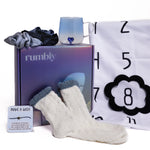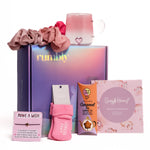


The postpartum period can be physically and emotionally challenging. Preparing a recovery kit ahead of time ensures you have everything you need to manage discomfort, heal, and care for yourself while focusing on your baby. Here's what to include:
-
Perineal and Wound Care: Items like a peri bottle, witch hazel pads, sitz bath supplies, and heavy-duty postpartum pads help with soreness and bleeding.
-
Pain Relief: Use cold packs, heating pads, and over-the-counter pain medications to manage swelling, cramps, and incision discomfort.
-
Breastfeeding Supplies: Nursing bras, nipple cream, and nursing pads make feeding easier and more comfortable.
-
Self-Care Products: Stool softeners, hemorrhoid cream, dry shampoo, and comfortable clothing support overall recovery and hygiene.
-
Optional Pre-Made Kits: These save time by bundling key items but should be chosen carefully based on your needs.
Organizing your kit before delivery helps reduce stress and ensures you're prepared for the first weeks postpartum. Whether you assemble your own or purchase a pre-made option, having these essentials on hand will make recovery smoother.
Best List of Postpartum Recovery Products for Your Postpartum Recovery Kit (Postpartum Care Kit)
What to Expect During Postpartum Recovery
The postpartum period is a time of profound physical and emotional changes. After the incredible experience of childbirth, your body needs time, care, and support to recover. Knowing what to expect can help you gather the right supplies and set realistic expectations for this journey.
Physical Healing After Childbirth
No matter how you delivered your baby, your body has been through a lot and needs time to heal. One major part of recovery involves the uterine site where the placenta was attached. As this area heals, you’ll experience vaginal bleeding and discharge, known as lochia, which can last for several weeks.
Your body will also need plenty of rest to recover fully.
For vaginal deliveries, you might feel soreness in your perineal area, breasts, and muscles due to labor. Tears or stitches from delivery can add to the discomfort, lasting days or even weeks. Hemorrhoids are another common issue, caused by the pressure of pregnancy and pushing during labor. Some women also experience temporary incontinence, which usually improves within a week. Additionally, nursing can trigger contractions as your uterus shrinks back to its pre-pregnancy size.
For C-section deliveries, recovery focuses on the incision site. You may notice swelling, discomfort, bleeding, or discharge around the area. In some cases, the incision may separate slightly as it heals. While vaginal pain is less common for women who had planned C-sections, lochia still occurs, and recovery from abdominal surgery brings its own challenges. Items like abdominal binders and scar patches can be helpful during this time.
Common challenges for all new mothers include constipation, which can result from pain medications, reduced activity, or low fluid intake. Breast changes are also universal, with soreness, tenderness, and even engorgement as milk production begins around day three or four. If you’re breastfeeding, nipple pain is another common experience.
To lower the risk of infection, avoid tampons and menstrual cups during the lochia phase. Instead, use absorbent pads designed for postpartum bleeding, as the flow can be especially heavy during the first week.
Emotional and Mental Health
Physical recovery is only part of the postpartum experience. Hormonal changes after childbirth can bring dramatic emotional shifts.
Right after delivery, your hormones begin to fluctuate sharply. These changes, combined with sleep deprivation and the demands of caring for a newborn, can lead to the "baby blues." This is a temporary condition that affects up to 80% of new mothers, causing mood swings, anxiety, sadness, or tearfulness. These feelings often peak around days three to five postpartum and usually improve over the next two weeks.
Your body is adjusting to a significant drop in pregnancy hormones while ramping up milk production. It’s no surprise that this rollercoaster of emotions can feel overwhelming. That’s why self-care is so important. Simple comforts - like a cozy robe, a favorite lip balm, or supplies for a soothing sitz bath - aren’t just indulgences. They’re small but meaningful ways to support your mental health during this vulnerable time.
If feelings of sadness, anxiety, or hopelessness persist beyond two weeks or worsen, it’s important to contact your healthcare provider. Postpartum depression and anxiety are common and treatable, and getting help early can make all the difference.
Preparing for these physical and emotional changes highlights why having a well-stocked recovery kit is so important. When you’re exhausted and adjusting to life with a newborn, the last thing you want is to find yourself without essentials like witch hazel pads or a comfortable nursing pillow. Anticipating your needs now can help make those first weeks a little smoother.
What to Include in Your Postpartum Recovery Kit
Preparing for postpartum recovery means having the right tools to help you heal and feel more comfortable during those first challenging weeks at home. Here's a breakdown of what to include in your recovery kit, organized by the type of support you'll need.
Let’s start with items designed to care for sensitive areas.
Perineal and Wound Care Products
Caring for your perineal area after delivery requires gentle and consistent attention. A peri bottle is a must-have for rinsing with warm water instead of wiping with toilet paper. Hospitals often provide a basic version, but you might prefer an upside-down peri bottle for easier use.
Witch hazel pads, like Tucks, are great for soothing swelling and irritation. Keep them chilled for extra relief. Pair these with postpartum cooling gel pads, which can be stored in the freezer and provide targeted comfort for sore tissue. Some moms even make their own by soaking maxi pads in witch hazel and aloe vera gel, then freezing them individually.
For managing lochia, stock up on heavy-duty postpartum pads. Regular menstrual pads won’t cut it during the first week or two. Look for fragrance-free, extra-absorbent options to avoid irritation. Many women also find disposable mesh underwear more comfortable than regular underwear during heavy bleeding, as they’re stretchy, breathable, and gentle on tender areas.
A sitz bath is another essential for soothing discomfort and promoting healing. You can use a small basin that sits over your toilet or simply fill a bathtub with a few inches of warm water. Adding Epsom salts can enhance the soothing effects. Aim for two to three sitz baths daily during the initial recovery period.
For quick relief between sitz baths, consider perineal healing sprays or foams. These sprays, made with soothing ingredients, are especially helpful when you’re on the go or need fast comfort.
Pain Relief and Comfort Items
Managing pain effectively can make a huge difference in your recovery. Keep reusable hot/cold gel packs and a heating pad handy. Cold packs are great for reducing swelling and numbing pain in the perineal area, while heat helps with sore muscles, afterbirth cramps, and even breast engorgement. If you’ve had a C-section, heat can also ease gas pain and abdominal discomfort - just avoid placing it directly on your incision.
For added support, consider an abdominal binder or belly wrap. These provide gentle compression to support weak core muscles, making movement more comfortable and improving posture during the early weeks. Look for breathable, adjustable options to accommodate your body’s changes.
Don’t forget over-the-counter pain relief medications like ibuprofen or acetaminophen, as recommended by your healthcare provider. These can help manage pain and inflammation. Keep them within reach so you can stay ahead of discomfort. If you’re breastfeeding, consult your doctor to confirm what’s safe.
Once you’ve tackled pain management, focus on items that make nursing more comfortable.
Nursing and Breastfeeding Supplies
If you’re planning to breastfeed, having the right supplies can make all the difference. Start with nursing bras that are comfortable, supportive, and easy to open with one hand. Your breasts will likely increase in size when your milk comes in, so consider sizing up from your late-pregnancy size.
To handle leakage, stock up on nursing pads. Disposable pads are convenient, while washable cloth pads are a more economical and eco-friendly option. Try both to see what works best for you, and change them often to avoid irritation.
Nipple cream is essential for healing cracked or sore nipples. Look for creams made with lanolin or other soothing ingredients that don’t need to be washed off before feeding - this makes them much easier to use.
A nursing pillow can save your arms, shoulders, and back by positioning your baby at the right height for feeding. This is especially helpful during those frequent nursing sessions when you’re already feeling drained. Choose one with a washable cover for easy cleaning.
Lastly, consider a breast pump. Manual pumps are great for occasional use, while electric pumps are better if you’ll be pumping frequently. Many insurance plans cover the cost of a breast pump, so check your benefits before purchasing one.
Toiletries and Self-Care Products
Recovery goes beyond wound care and pain relief - it’s also about taking care of your overall well-being. Stool softenersare a must, as constipation is common after delivery. Straining can be painful and even harmful if you have stitches or hemorrhoids. Start taking them immediately after birth, even if you don’t feel constipated yet. Docusate sodium (Colace) is a popular option that’s safe for breastfeeding moms.
For hemorrhoid relief, keep hemorrhoid cream or suppositories with witch hazel on hand. Pair them with cold packs for maximum comfort.
Comfortable, postpartum-friendly clothing is another key to feeling better. High-waisted underwear that won’t irritate a C-section incision, loose-fitting pants with soft waistbands, and nursing-friendly tops make daily life much easier. A soft robe is also a great addition - it’s cozy and allows for easy nursing or skin-to-skin contact with your baby.
Don’t underestimate the power of basic skincare and hygiene products. Dry shampoo can help you stretch time between hair washes when you’re too tired for a full shower. Facial wipes are perfect for quick refreshes, and a good moisturizer or lip balm can make you feel more like yourself. These small comforts can have a big impact on your mental health during this demanding time.
How to Put Together and Organize Your Recovery Kit
Preparing your postpartum recovery kit in advance can make the recovery process much smoother. By planning what to bring to the hospital, you’ll have familiar, comfortable items on hand, which can make a big difference during those first few days. This preparation also sets the stage for the more comprehensive recovery kit you’ll use at home.
What to Pack for the Hospital
Aim to have your hospital bag packed by 37 to 38 weeks (or by 35 weeks if you're considered high-risk). While hospitals provide some essentials, bringing your own preferred items can make your stay more comfortable.
Start with an ergonomic, upside-down peri bottle - it’s easier to use and gentler for postpartum care. Add disposable postpartum underwear for sturdiness and comfort, along with a small supply of heavy-duty postpartum pads that suit your needs.
Next, think about nursing necessities. Pack two to three nursing bras, nursing pads, and a tube of nipple cream to help with breastfeeding comfort.
Adjust the quantities based on how long you expect to stay: one to two days for a vaginal delivery or two to four days for a C-section. Pack a little extra to avoid any last-minute stress or shortages during your stay.
Should You Buy a Pre-Made Postpartum Recovery Kit?
With your essential recovery items already mapped out, you might wonder if a pre-made kit could simplify your preparation. These all-in-one packages save you time and effort by bundling carefully selected items into one convenient box. Whether or not they’re right for you depends on your preferences, budget, and how much time you have before your due date.
Why Pre-Made Kits Can Be a Smart Choice
Pre-made postpartum recovery kits are thoughtfully put together by professionals who understand what new moms typically need. Instead of spending hours researching and shopping for individual items, you get a complete set of essentials delivered in one go.
These kits are especially helpful for first-time moms. Without past experience to guide you, it’s easy to feel overwhelmed or worry about forgetting something important. With a curated kit, you can rest easy knowing you’re prepared - and avoid those 2:00 AM moments of realizing you’re missing a crucial product.
Another advantage is how well these kits are designed. The items often work together as a system rather than being a random assortment. For instance, a good kit might include a peri bottle, perineal spray, and cooling pads - all aimed at easing postpartum discomfort in complementary ways.
Plus, everything arrives neatly packaged and ready to use, making those early, sleep-deprived days just a little easier. Pre-made kits can even save you money compared to buying each item separately. They also help you avoid overstocking on things you might not end up using.
What to Look for in a Pre-Made Kit
Not all pre-made postpartum recovery kits are created equal, so it’s important to examine the details before making a purchase. Here’s what to keep in mind:
-
Core essentials: A solid kit should include heavy-duty postpartum pads, a practical peri bottle (preferably one with an upside-down design), and perineal care products like sprays or foams. These are non-negotiables for postpartum recovery.
-
Quality over quantity: Look for information about absorbency, materials, and whether the products are dermatologist-tested or hypoallergenic. High-quality items will make a noticeable difference in your comfort.
-
Nursing supplies: If you plan to breastfeed, check for items like nipple cream, nursing pads, or even breast therapy packs. Some kits offer separate nursing packages, so double-check what’s included.
-
Comfort and relief: Disposable ice packs, soothing wipes, and heating pads are great additions for managing pain and discomfort.
-
Size and quantity: Some kits only cover a few days, while others provide supplies for two weeks or more. Make sure the kit you choose matches your recovery timeline. Also, check if the products are full-size or sample-size - full-size items often last longer, even if they cost a bit more upfront.
-
Customer reviews: Feedback from other moms can be invaluable. Reviews often reveal whether the pads are truly absorbent, if the peri bottle leaks, or if certain items turned out to be unnecessary.
For example, the Rumbly's Postpartum Essentials Gift Box, priced at $78.00, offers a carefully chosen selection of recovery and wellness items tailored for new mothers. When considering any pre-made kit, take the time to verify that its contents align with your specific postpartum needs. It’s a practical way to ensure you’re fully prepared for the recovery period ahead.
Conclusion
Putting together a thoughtful recovery kit can make your postpartum experience much smoother. By preparing in advance, you're setting yourself up for greater comfort and support during a time when self-care is crucial. Whether you decide to handpick each item or go with a pre-made kit, the goal remains the same: to have everything you need close by so you can focus on healing and bonding with your newborn.
Your recovery kit should address both your physical needs and emotional well-being. Tailor it to your specific delivery experience and personal preferences. Simple items like a more effective peri bottle, highly absorbent pads, or soothing nipple cream can make a noticeable difference in how comfortable you feel.
Take the time to organize your kit and create a recovery-friendly space. Prioritizing your healing isn't selfish - it's necessary. With the right preparation and supplies, you can make this transition a little easier and focus on what truly matters: your recovery and your time with your baby.
Sending hugs,
rumbly 💜
FAQs
What should I include in a postpartum recovery kit, and why are these items important?
A thoughtfully assembled postpartum recovery kit can greatly enhance your comfort and aid in healing after childbirth. Here are some must-have items to consider:
-
Perineal care essentials: A peri bottle, witch hazel pads, and healing foam can help cleanse and soothe tender areas.
-
Postpartum pads: These are key for managing bleeding while keeping you comfortable.
-
Supportive underwear: Provides gentle compression and much-needed abdominal support.
-
Ice packs: Help reduce swelling and provide relief from pain.
-
Stool softeners: Make bowel movements less stressful and more manageable.
Having these essentials ready ensures you’re well-prepared to care for yourself, maintain hygiene, and focus on recovery during this important time.
What are the best ways to manage pain and discomfort after a C-section?
Recovering from a C-section requires a mix of rest, good care, and the right tools to manage pain and discomfort. Over-the-counter pain medications such as acetaminophen or ibuprofen can ease pain and reduce inflammation, but it’s essential to consult your healthcare provider for advice tailored to your recovery.
An abdominal binder or support wrap can be a game-changer, offering gentle compression that helps with mobility and minimizes swelling around the incision site. Equally important is giving yourself breaks, avoiding heavy lifting, and focusing on healing activities like taking short walks and staying hydrated. Recovery is a gradual process, so give yourself grace and don’t hesitate to ask for help when you need it.
Should I create my own postpartum recovery kit or buy a pre-made one?
Choosing between putting together your own postpartum recovery kit or buying a pre-made one really comes down to what works best for you. Pre-made kits are super convenient - they come packed with a variety of essentials and save you the hassle of shopping around. On the flip side, building your own kit gives you the chance to pick and choose items that fit your specific recovery needs and comfort preferences.
If you go the DIY route, make sure to include must-haves like perineal care products, nursing essentials, pain relief options, and self-care items. That way, your kit will be perfectly suited to support you through your postpartum recovery.